
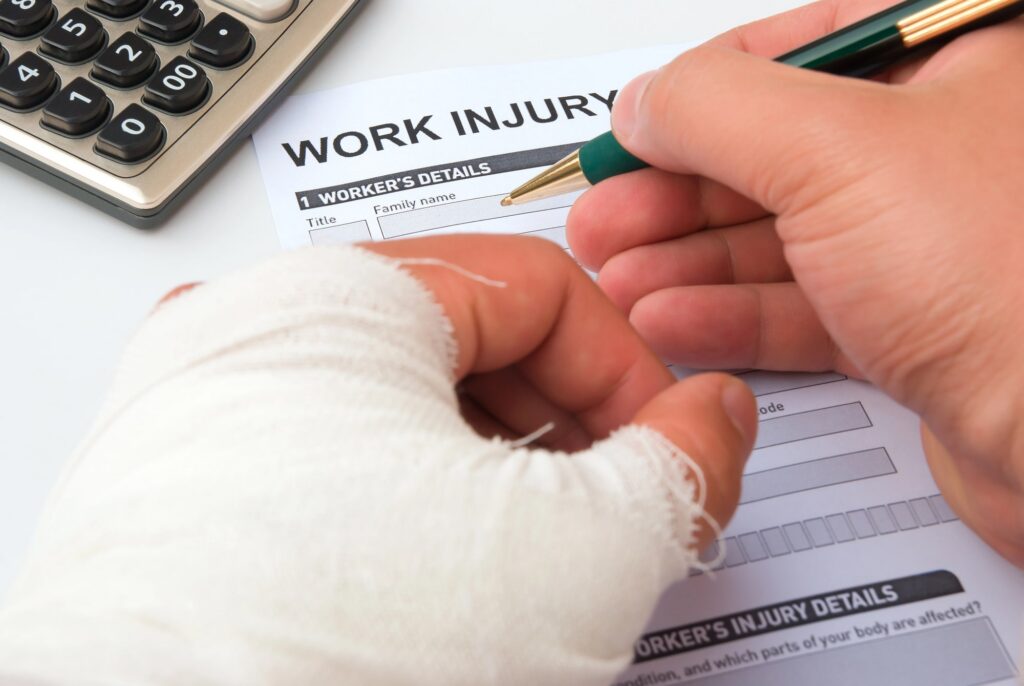
A workplace injury can happen in seconds. What you do in the hours and days that follow matters more than most workers realize. New York’s workers’ compensation system has specific requirements, and missing even one of them can complicate or delay the benefits you’re entitled to. If you’ve been hurt on the job, here’s what you need to prioritize.
Report the Injury to Your Employer Right Away
This is the first and most time-sensitive step. Under New York law, injured workers must notify their employer of a workplace injury within 30 days. Waiting longer than that can jeopardize your ability to collect benefits. Don’t assume your supervisor already knows because they were nearby when it happened. Put it in writing whenever possible and keep a copy for yourself.
Be straightforward about what happened, where it happened, and what body parts were affected. Don’t minimize the injury because you’re hoping it’ll feel better in a few days. If it doesn’t, and you’ve already told your employer it was minor, that inconsistency can be used against you later.
Get Medical Attention Promptly
See a doctor as soon as possible, even if the injury seems manageable. Two things happen when you get timely medical treatment. Your health gets protected, and a medical record gets created that connects your injury to the workplace incident.
In New York, your employer or their workers’ compensation insurance carrier may have a list of authorized medical providers you’re required to use for initial treatment. It’s worth confirming that before your first appointment. Treatment from an unauthorized provider may not be covered.
File a Workers’ Compensation Claim
Reporting the injury to your employer is not the same as filing a workers’ comp claim. You need to do both. In New York, injured workers file a claim by submitting Form C-3 to the New York Workers’ Compensation Board. Under New York Workers’ Compensation Law Section 28, you generally have two years from the date of the injury to file, but waiting creates unnecessary risk. File as soon as you’re able.
Your employer is also required to report the injury to their insurance carrier and to the Workers’ Compensation Board. Follow up to confirm that happened. Don’t assume it did.
Document Everything
Start keeping records immediately. Write down your recollection of how the injury occurred while the details are still fresh. Photograph any visible injuries. Keep copies of all medical records, treatment notes, and correspondence with your employer or their insurance carrier. Save any written communications related to the injury or your claim.
If there were witnesses to the accident, note their names and contact information. Witness accounts can be valuable if the circumstances of your injury are later disputed.
Watch Out for Common Mistakes
A few things can quietly damage a workers’ comp claim without the injured worker realizing it:
- Giving a recorded statement to the insurance carrier without legal advice
- Posting about your injury or activity level on social media
- Missing medical appointments or failing to follow your treatment plan
- Returning to work before your doctor has cleared you
- Accepting a settlement offer before understanding the full value of your claim
Getting the Support You Need
New York’s workers’ compensation system is more complicated than it looks from the outside. Insurance carriers have experienced adjusters and attorneys working to manage their costs. You don’t have to navigate that alone.
Hurwitz, Whitcher & Molloy represents injured workers throughout the Niagara Falls area and across New York. If you’ve been hurt at work and want to understand your rights, speaking with a Niagara Falls workers compensation lawyer is one of the most practical steps you can take early in the process.