
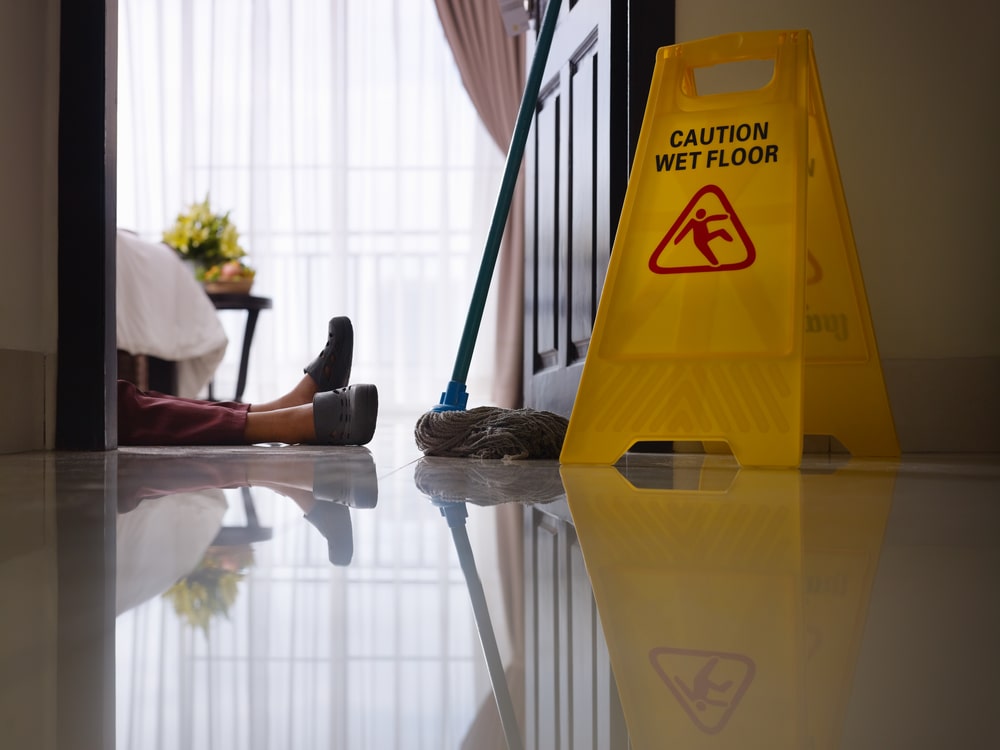
Property owners in New York have a legal duty to maintain safe conditions on their premises. But here’s what most people don’t realize: when you get hurt because of a dangerous situation, proving the owner knew about the problem becomes your responsibility. Or at least, proving they should’ve known about it. This concept of “notice” often makes or breaks premises liability claims.
Understanding Actual Notice
Actual notice is straightforward. The property owner had direct knowledge of the dangerous condition before your accident happened. It’s the easiest type of notice to understand, though proving it can still be challenging. You’ll need concrete evidence that someone actually told them about the problem or that they saw it themselves. Evidence of actual notice includes:
- Maintenance logs showing prior complaints about the same hazard
- Written reports from employees or customers about the dangerous condition
- Security camera footage showing the owner or staff observing the problem
- Repair orders that were delayed or ignored
- Email or text communications discussing the hazard
A Buffalo slip and fall lawyer can help gather this documentation through formal discovery requests and subpoenas. Property owners sometimes try to hide or destroy these records, which is exactly why acting quickly after an accident matters so much.
Proving Constructive Notice
Most premises liability cases involve constructive notice rather than actual notice. What’s the difference? Constructive notice means the property owner didn’t have direct knowledge but should’ve discovered the dangerous condition through reasonable inspections and maintenance. New York courts apply a reasonableness standard when they’re evaluating constructive notice. The condition must’ve existed long enough that a diligent property owner would’ve found and fixed it during routine inspections. That timeline varies depending on the situation.
What Makes A Condition “Visible and Apparent”
Courts consider whether the hazard was obvious enough that regular inspection would’ve revealed it. Think about it this way: a pothole that’s been growing for months is completely different from a grape that fell on the floor five minutes before someone slipped. If a liquid spill has dried, dust has accumulated on debris, or rust has formed around a broken fixture, these details suggest the problem existed for a substantial period. There are clues about negligence. Weather conditions also play a major role in Buffalo cases. Property owners must account for snow, ice, and rain when they’re maintaining their premises during Western New York winters. They can’t just ignore what everyone knows about our climate.
Evidence That Strengthens Your Case
Photographs of the hazard taken immediately after your accident provide powerful evidence, especially if they show the condition’s severity or how long it may have existed. Take those photos yourself if you’re physically able. Don’t wait for someone else to do it. Witness statements from other customers, employees, or passersby who noticed the dangerous condition before your fall add serious credibility to your claim. These witnesses might remember seeing the hazard earlier that day or on previous visits to the property. Inspection records reveal whether the property owner had regular maintenance schedules and actually followed them. Gaps in inspection logs can demonstrate negligence. The attorneys at Hurwitz, Whitcher & Molloy know how to obtain and analyze these documents during the legal process.
Common Defense Tactics
You should expect property owners to fight back. They’ll often argue they had no notice of the condition or that it developed immediately before the accident. They might claim their inspection schedules were adequate even when accidents keep happening on their property. Some defendants will try to shift blame to you, suggesting the hazard was obvious and you should’ve avoided it. New York’s comparative negligence law means your compensation could be reduced if you’re found partially at fault. But you can still recover damages as long as you’re less than 100% responsible. That’s an important protection for injured people.
Building Your Claim
Starting your case promptly gives you the best chance of preserving evidence before it disappears. Hazardous conditions get repaired. Surveillance footage gets recorded over. Witnesses’ memories fade with time. Medical records linking your injuries directly to the accident strengthen your position during settlement negotiations or trial. Consistent treatment and following the doctor’s orders show the accident’s true impact on your life. Gaps in treatment give insurance companies ammunition to argue you weren’t really hurt that badly. If you’ve been injured on someone else’s property in Western New York, a Buffalo slip and fall lawyer can evaluate whether sufficient evidence exists to prove the owner knew or should’ve known about the dangerous condition. Understanding notice requirements helps injured people make informed decisions about pursuing compensation for their medical bills, lost wages, and pain and suffering.