
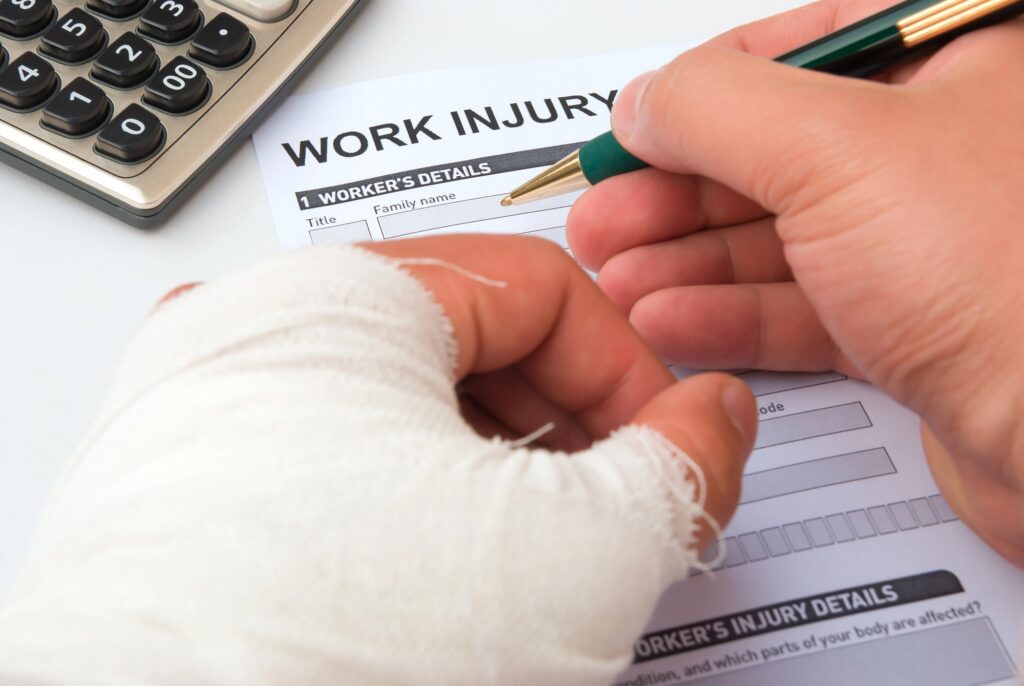
A New York worker hurt on the job often assumes one general deadline governs the entire workers’ compensation process from start to finish, with no other timelines to worry about. New York law actually imposes two separate deadlines that overlap but serve entirely different purposes, and misunderstanding either one can genuinely jeopardize benefits an injured worker would otherwise clearly deserve.
Why Does the Thirty-Day Notice Deadline Come First
Workers’ Compensation Law Section 18 generally requires an injured worker to notify their employer of a workplace injury within thirty full days of the accident, creating the first and most immediate deadline in the entire claims process. A delayed report can give an insurance carrier real grounds to question whether the injury actually happened at work in the first place.
What Does the Employer Actually Have to Do After Notice
Once notified, the employer must file a Form C-2 report with the Workers’ Compensation Board and its insurance carrier within ten full days of learning about the injury. Common steps that generally follow this initial employer report include:
- The insurance carrier reviewing the entire claim carefully and determining whether to accept liability
- A formal decision on liability typically issued within roughly two full weeks of the report
- Benefit payments potentially and realistically beginning within about eighteen days if liability is accepted
- A formal hearing before the Workers’ Compensation Board if the carrier actually disputes the claim
An employer’s failure to file this specific report does not prevent an injured worker from pursuing their own separate claim through the Board directly.
Why Does the Two-Year Filing Deadline Matter Separately
Beyond the initial notice requirement, an injured worker generally must actually file Form C-3 with the Workers’ Compensation Board within two full years of the accident date to preserve their claim entirely. A New York workers’ compensation lawyer tracks this separate deadline very carefully throughout the case, since it exists entirely independently of whether the employer or insurance carrier ever properly filed their own required paperwork with the Board.
How Does This Deadline Actually Work for Occupational Diseases
For occupational diseases rather than sudden workplace accidents, the two-year deadline instead runs from the date the worker actually knew or reasonably should have known the condition was work-related, or from the date of last exposure, whichever occurs later in time. This particular distinction matters considerably for conditions like repetitive stress injuries or occupational illnesses that develop gradually over many years of workplace exposure rather than from a single sudden incident.
What Standard Must an Injury Actually Meet to Qualify
New York generally and specifically requires a work-related injury to have occurred while performing job duties and arisen out of and in the course of employment, meaning a genuine and demonstrable connection must actually exist between the work performed and the resulting injury sustained. This particular no-fault system covers most workplace injuries regardless of who actually caused them, though injuries resulting from intentional self-harm or criminal conduct fall outside its full protection entirely.
What Happens if the Insurance Carrier Denies the Claim
A denied claim generally proceeds to a formal hearing before a workers’ compensation law judge, who reviews the presented evidence and issues a written decision on whether benefits should actually be awarded to the injured worker in this case. A New York workers’ compensation lawyer prepares medical evidence and witness testimony very carefully for this hearing, since the initial denial rarely represents the final word on a genuinely valid claim.
Getting Help With a Workers’ Compensation Claim in New York
Understanding both the thirty-day notice deadline and the two-year filing deadline changes considerably how quickly an injured worker actually needs to act after a workplace accident occurs. Hurwitz, Whitcher & Molloy has helped injured workers across New York pursue workers’ compensation benefits for many years now. If you were hurt on the job recently and unexpectedly, reach out to discuss whether your specific deadlines have already started running against you.